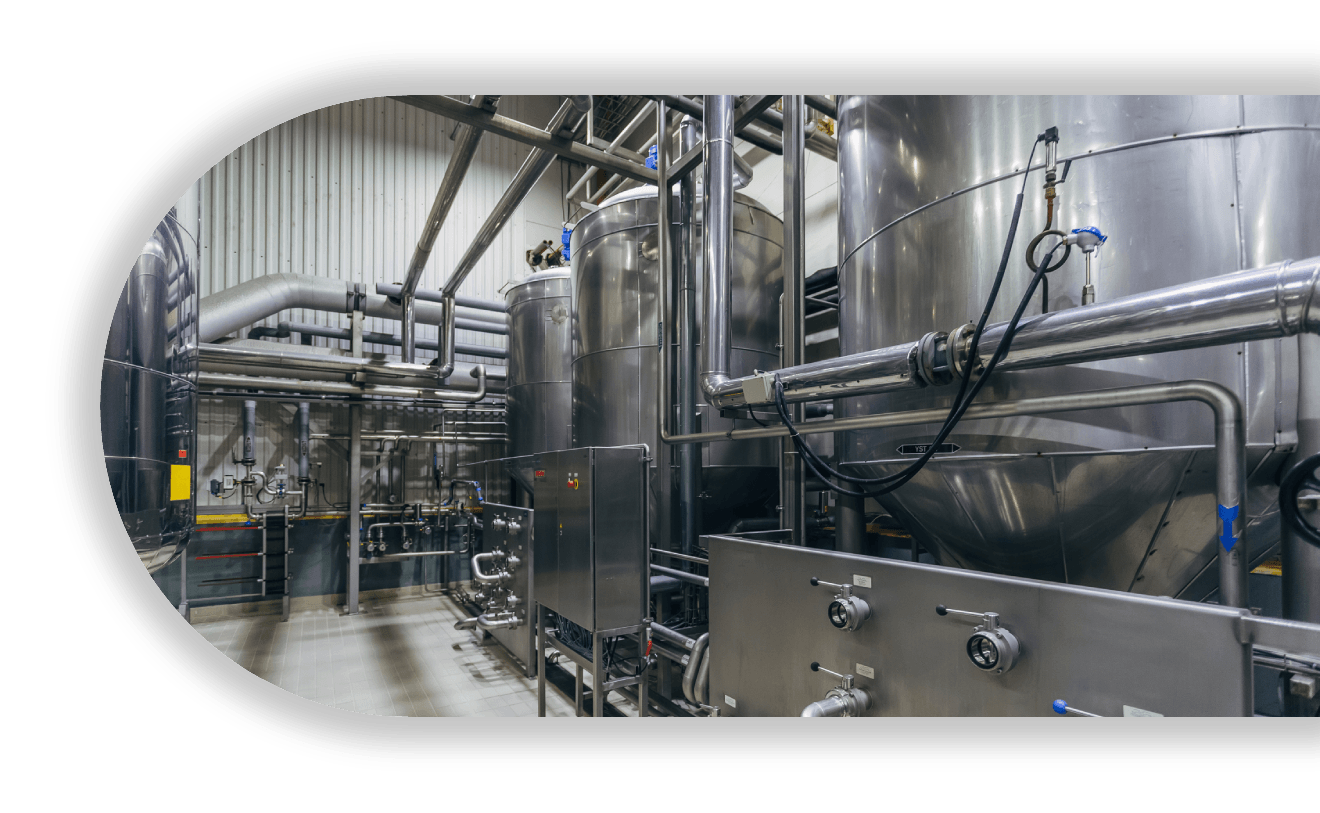
In areas with strict requirements on hygiene and safety, such as food processing, pharmaceuticals, medical treatment, and drinking water treatment, "sanitary steel pipes" are not a simple upgrade of ordinary steel pipes. Instead, they achieve the special standards of "no dead angle cleaning, no pollutant release, and no microbial growth" through four core links: material screening, process optimization, structural design, and quality certification.
1. Material Selection and Standards
- Austenitic stainless steel, such as 304/304L, 316/316L, and TP316L, is used to meet the high cleanliness requirements of food and pharmaceutical applications. These materials are inherently non-toxic, corrosion-resistant, and meet FDA and GMP hygiene requirements.
- We adhere to international and domestic sanitary standards, including ASTM A270 (3A Sanitary Standard), GB/T12771-2008, SY/T5037-1999, and YB/T6081-2022, to ensure that chemical composition, mechanical properties, dimensional tolerances, and surface roughness meet specified standards.
2. Production Process Chain
- Hot Processing: Hot rolling → Piercing → Cold drawing/cold rolling to form a tube billet and ensure dimensional accuracy.
- Heat Treatment: Solution annealing (bright annealing) eliminates internal stresses and improves corrosion resistance.
- Pickling and Passivation: Pickling removes surface oxide scale, followed by immersion in an acidic passivation solution to form a uniform passivation layer to prevent secondary corrosion.
- Degreasing and Cleaning: After passivation, clean the tube in an oil-free (CIP) cleaning process to ensure that the tube surface is free of residual oil.
- Mechanical Polishing/Mirror Finishing: Rough and fine polishing, then mirror polishing, are performed on the inner and outer surfaces to achieve a surface roughness Ra ≤0.2µm to prevent bacterial adhesion.
- Inspection and Labeling: Dimensional, surface, and non-destructive testing (such as water pressure and ultrasonic testing) are performed after each process and recorded, enabling traceability back to the raw material batch.
3. Surface Integrity Requirements
- Seamless, crack-free, dent-free, and rust-free, ensuring no dead spots or contamination sources for fluid flow.
- Mirror-like finish: The internal finish achieves a "mirror-like" finish, facilitating automatic draining and steam cleaning, and meeting hygiene standards such as GMP and ISO 13485.
4. Quality Control and Traceability
- Full-process quality management system (ISO9001, ISO13485) requires 100% traceability, with each pipe having raw material, processing, and inspection records.
- Before shipment, hydraulic pressure or non-destructive electrical testing is performed, and surface roughness and passivation layer thickness are tested using specialized instruments to ensure compliance with standards.
5. Cleaning and Sterilization (CIP/SIP)
- After production, pipes must be rinsed with high-temperature steam or chemicals in a clean, clean-in-place (CIP) environment, followed by sterilization and sterilization-in-place (SIP) to ensure that the pipes meet hygienic microbial control requirements before use.
6. Packaging and Transportation
- Use dust-proof and moisture-proof packaging. Label the packaging with the material, specifications, implementation standards, and production batch number to prevent secondary contamination.
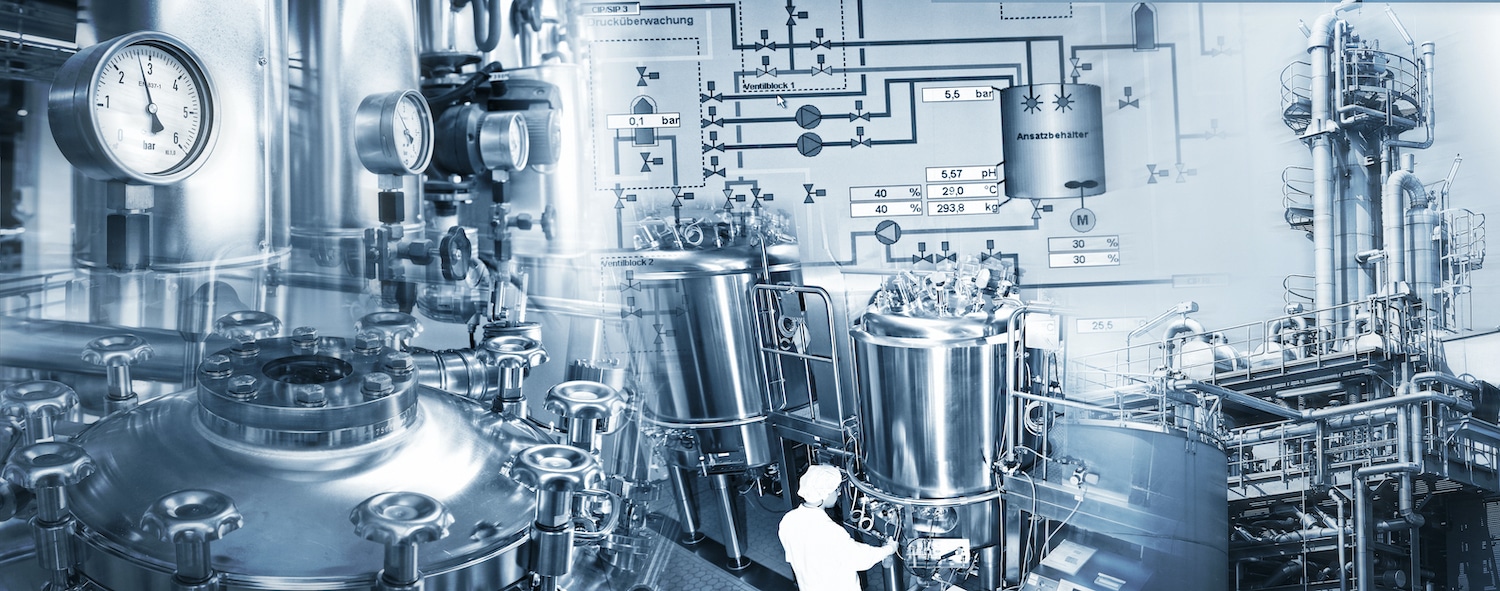
Summary: The Four Golden Rules of Sanitary Steel Pipe
To achieve "sanitary grade" steel pipe, the following four principles must be adhered to:
Material Purity: Select ultra-low-carbon austenitic stainless steel (304L/316L).
Surface Perfection: Mechanical and electrochemical polishing achieves an extremely high internal surface finish (low Ra value).
Designed for No Blind Spots: Utilizes automatic flat welding technology and quick-release clamp connections.
Surface Stability: Thoroughly cleans and passivates the pipe to form a durable passivation film.
Through these rigorous processes, an ordinary steel pipe is transformed into a "clean guardian" that safeguards food safety and the purity of pharmaceuticals.
 Summary: The Four Golden Rules of Sanitary Steel Pipe


